Safety Considerations for Commercial Concrete Sawing and Removal
People seeking commercial concrete sawing and removal often want safe, efficient service, and local contractors can ensure proper procedures to minimize risks and hazards.
If you're considering commercial concrete sawing and removal, understanding safety considerations is essential for a smooth and secure project. Property owners in the area often explore this topic to ensure that demolition or renovation work proceeds without hazards to workers, occupants, or surrounding structures. Proper safety measures can help prevent accidents, minimize disruptions, and protect everyone involved, making it a practical concern for those managing large-scale projects or upgrades.
Local contractors specializing in concrete sawing and removal are well-versed in safety protocols that align with industry best practices. They can help navigate the complexities of working with heavy machinery and concrete materials, ensuring that safety considerations are integrated into every phase of the job. Keep reading to learn more about key safety factors and how experienced service providers can support your project’s safety and success.
- Commercial building renovation - when structural modifications require precise concrete cutting, local contractors prioritize safety considerations for commercial concrete sawing and removal to prevent damage and hazards.
- Utility line installation or repair - during underground utility work, local service providers follow safety protocols for concrete sawing and removal to protect workers and infrastructure.
- Floor cutting for remodeling projects - in interior renovations, local pros approach safety considerations for commercial concrete sawing and removal to minimize dust, debris, and structural risks.
- Concrete demolition for site clearance - when clearing a site, local contractors implement safety measures for concrete sawing and removal to ensure worker safety and site stability.
- Structural repairs in commercial facilities - for repairing damaged concrete, local service providers focus on safety considerations for commercial concrete sawing and removal to avoid accidents and ensure compliance.
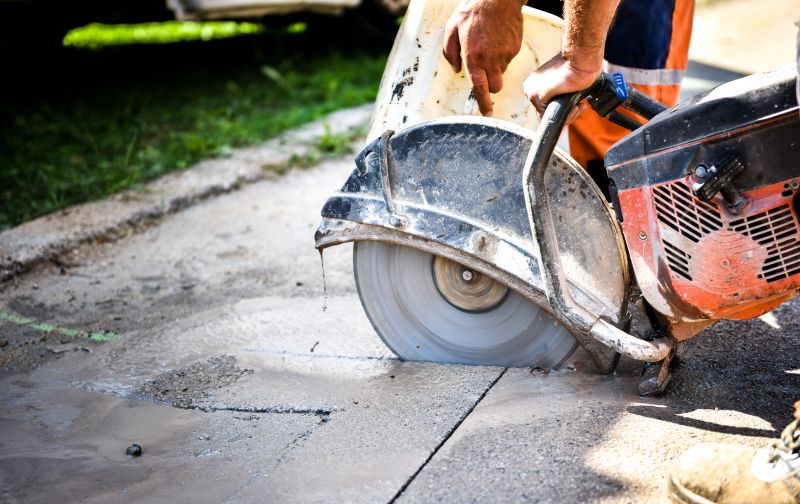
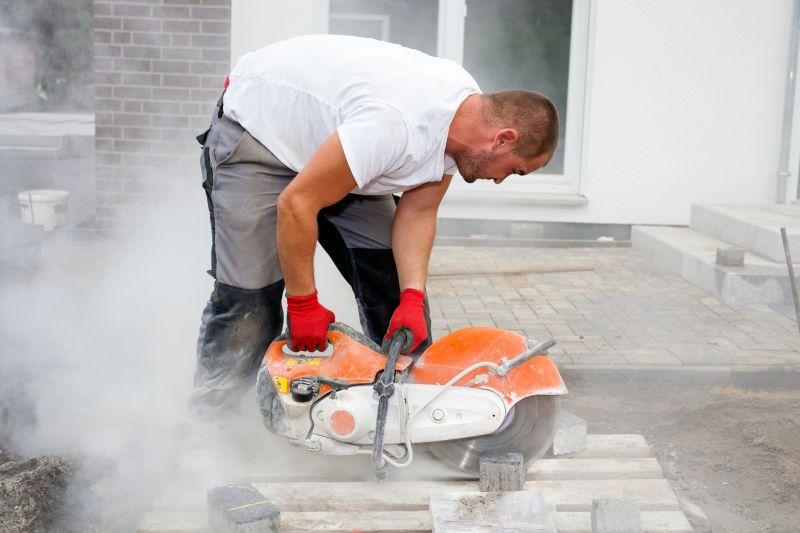
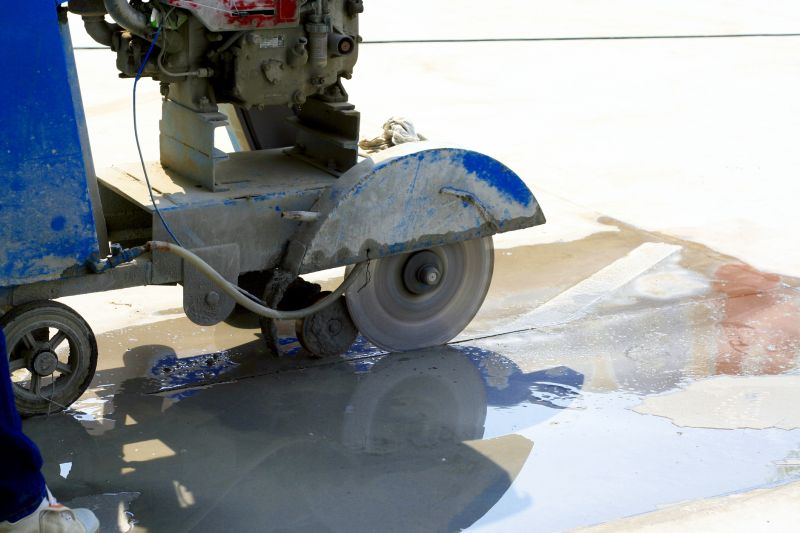
When people search for safety considerations for commercial concrete sawing and removal, they are typically seeking information about how to ensure the work is performed safely and without incident. This includes understanding potential hazards involved in cutting and removing concrete, such as dust, noise, vibration, and debris, and how to mitigate these risks. Homeowners or property managers often want to know how safety protocols can protect workers, occupants, and nearby structures during the project. They may also be interested in understanding the safety measures that local service providers implement to prevent accidents and ensure a smooth, secure process.
These safety considerations are closely related to a variety of construction and renovation plans, including building modifications, infrastructure upgrades, or even emergency repairs. For example, when a property owner needs to create new doorways, install utilities, or remove damaged sections of concrete, safe sawing and removal practices are essential to avoid damaging existing structures or harming anyone on-site. Proper planning around safety also helps prevent costly mistakes and project delays caused by accidents or unforeseen issues. Local contractors experienced in commercial concrete sawing and removal are familiar with these safety concerns and can help ensure that the work adheres to best practices, reducing the risk of injury or property damage.
The types of properties where safety considerations for commercial concrete sawing and removal come into play are often diverse. Commercial buildings such as warehouses, retail centers, and office complexes frequently require modifications that involve cutting through reinforced concrete or other hard materials. Industrial facilities may have complex structures that demand careful planning to avoid disrupting critical systems. Additionally, institutional properties like schools, hospitals, or government buildings often have strict safety requirements due to the presence of many people and sensitive operations nearby. Regardless of the property type, local service providers are equipped to handle the unique safety challenges associated with each project, ensuring that the work is completed efficiently and securely.
Understanding safety considerations for commercial concrete sawing and removal helps property owners and managers plan projects that prioritize security and minimize risk. These professionals can assist with assessing the site, identifying potential hazards, and implementing appropriate safety measures. From dust control and noise management to proper equipment handling and debris containment, local contractors are experienced in managing safety throughout the project. This expertise ensures that the work aligns with safety standards and best practices, providing peace of mind that the project will proceed smoothly. Connecting with skilled service providers can make a significant difference in maintaining safety while achieving the desired results for any concrete removal or modification project.
Demolition projects - local contractors skilled in demolition often utilize concrete sawing techniques and must prioritize safety considerations during removal to prevent accidents and structural issues.
Bridge and road repair - these projects require precise cutting and removal of concrete, with safety planning essential to protect workers and nearby traffic from hazards.
Industrial facility upgrades - service providers handling upgrades often perform concrete removal tasks that involve safety measures to manage dust, debris, and equipment operation.
Foundation modifications - contractors performing foundation repairs or modifications depend on safe sawing practices and planning to ensure stability and worker safety.
Architectural feature removal - specialists removing or altering decorative concrete elements must follow safety considerations to prevent damage and ensure safe handling.
Parking lot and sidewalk removal - local pros involved in removing large concrete surfaces prioritize safety considerations to protect workers and the surrounding environment during the process.

When evaluating contractors for commercial concrete sawing and removal, it is essential to consider their experience with similar projects. Service providers who have successfully handled projects of comparable scope and complexity are more likely to understand the safety considerations involved. An experienced contractor will be familiar with the specific challenges that can arise during sawing and removal tasks, such as working around existing structures or utilities, and will know how to implement safety measures effectively. This background can help ensure that safety protocols are properly followed, reducing the risk of accidents or damage during the process.
Clear written expectations are a vital aspect of choosing a reliable service provider for concrete sawing and removal. A reputable contractor should be able to provide detailed documentation outlining the scope of work, safety procedures, and any precautions that will be taken. Having this information in writing helps establish a mutual understanding of responsibilities and safety measures, allowing homeowners to assess whether the contractor’s approach aligns with safety best practices. Transparent communication in this regard also helps prevent misunderstandings that could compromise safety during the project.
Reputable references and good communication skills are key indicators of a dependable contractor. Service providers with positive references from previous clients can offer insights into their safety practices and overall professionalism. Effective communication ensures that expectations are clearly conveyed and any safety concerns are addressed promptly. When homeowners can easily discuss project details and safety considerations with a contractor, it fosters a collaborative environment focused on maintaining safety standards. Choosing a contractor who values transparency and open dialogue can significantly contribute to a safer and more successful concrete sawing and removal project.
Property owners often search for safety considerations for commercial concrete sawing and removal when they are planning practical projects around their homes and businesses. Local pros provide Commercial Concrete Sawing and Removal services for everyday jobs and straightforward project options.
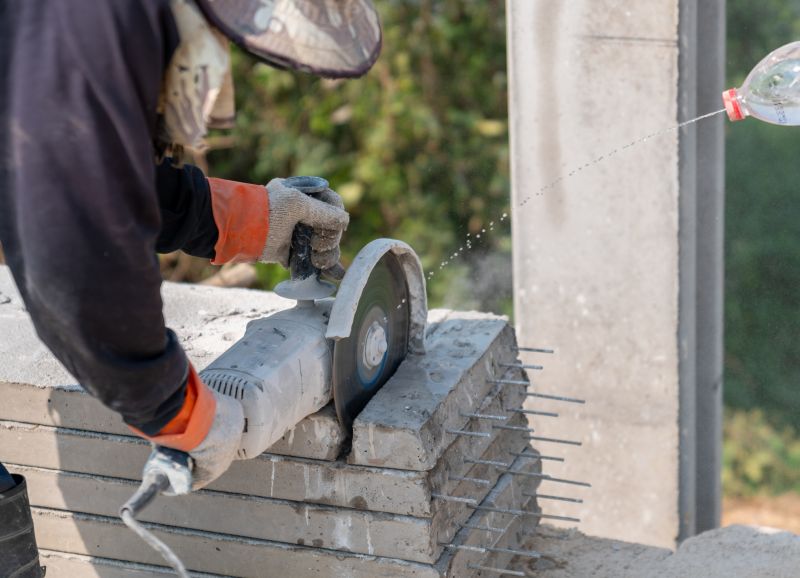
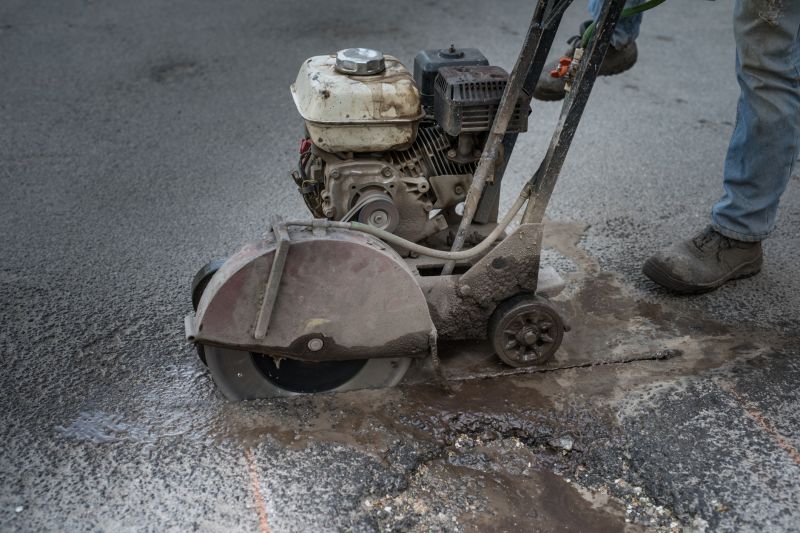
Safety considerations for commercial concrete sawing and removal are essential for property owners planning renovations, repairs, or demolition projects. These projects often involve working with heavy equipment and cutting through tough materials, which can pose risks if not handled properly. Property owners in the area might seek out local contractors experienced in concrete sawing and removal to ensure the job is completed safely and efficiently, minimizing potential hazards to workers and surrounding structures. Proper safety measures help prevent accidents, property damage, and injuries, making it a crucial aspect to discuss when considering professional services.
Many property owners look into safety considerations for commercial concrete sawing and removal to protect their investment and ensure compliance with safety standards. Working with experienced local service providers can help manage risks associated with dust, noise, and debris, as well as ensure the use of appropriate equipment and techniques. By choosing reputable contractors, property owners can feel more confident that safety protocols are in place, reducing the likelihood of costly setbacks or safety incidents during the project. This focus on safety ultimately supports a smoother, more secure process from start to finish.
What safety precautions should be considered during commercial concrete sawing and removal? It is essential to ensure proper use of personal protective equipment, such as eye and respiratory protection, and to follow safety guidelines to prevent injuries during the process. Local contractors typically adhere to these precautions to maintain a safe work environment.
How can proper equipment handling reduce safety risks in concrete sawing and removal? Proper training and experience in operating saws and removal tools help prevent accidents like kickbacks or equipment malfunctions. Service providers are trained to handle equipment safely and efficiently.
Are there specific safety considerations for working around existing structures? Yes, assessing the stability of surrounding structures and planning cuts carefully helps prevent accidental damage or collapse. Local pros evaluate site conditions to ensure safe operations near existing buildings or utilities.
What safety measures are recommended for managing dust and debris during concrete removal? Using dust suppression methods, such as water spray, and ensuring proper containment of debris minimizes health hazards and environmental impact. Contractors implement these measures to maintain a safer work area.
Why is site assessment important before beginning concrete sawing and removal? Conducting a thorough site assessment helps identify potential hazards, such as underground utilities or structural weaknesses, allowing service providers to plan safe procedures accordingly.
Proper equipment handling - Ensuring that commercial concrete saws are operated with care helps prevent accidents and injuries during demolition projects.
Site assessment and planning - A thorough evaluation of the work area allows property owners to identify potential hazards before beginning sawing and removal.
Use of safety barriers and signage - Local contractors can set up protective barriers and clear signs to keep bystanders safe during concrete cutting activities.
Training and supervision - Relying on experienced professionals ensures that safety protocols are followed throughout the project, reducing risks on site.
If you are thinking about safety considerations for commercial concrete sawing and removal for a property, this guide is meant to help you understand this topic, the typical project types, and how different options might fit your plans.
When you are ready, you can use the quote form on this page to share a few details about your project. From there, local pros can review the basics and follow up with options that match what you have in mind.